
A hands-on blog covering all things AI, LLMs Web3 and DeFi.
-
In part 1 of this series, we tried to understand why the EIP-2535: Diamond standard is required. In short, this standard allows us to write “transparently” upgradable, flexible, modular and logically easy to maintain smart contracts. In this part, let’s…
-
EIP 2535: Diamond standard explained – Part 1: Why diamonds?
In this 4 part series, let’s dive deep into EIP-2535 Diamond standard and understand why diamonds, what are diamonds and how to use diamonds! One of the main USPs for smart contracts is that they are immutable. Being immutable has…
-
Merkle trees explained – Part 3: Merkle verification in Solidity and Javascript
In Part 1 and Part 2 of this series, we have explored what are merkle trees, definition, concept and how merkle trees can be used to check the proof of inclusion. In this part, let’s checkout how we can perform…
-
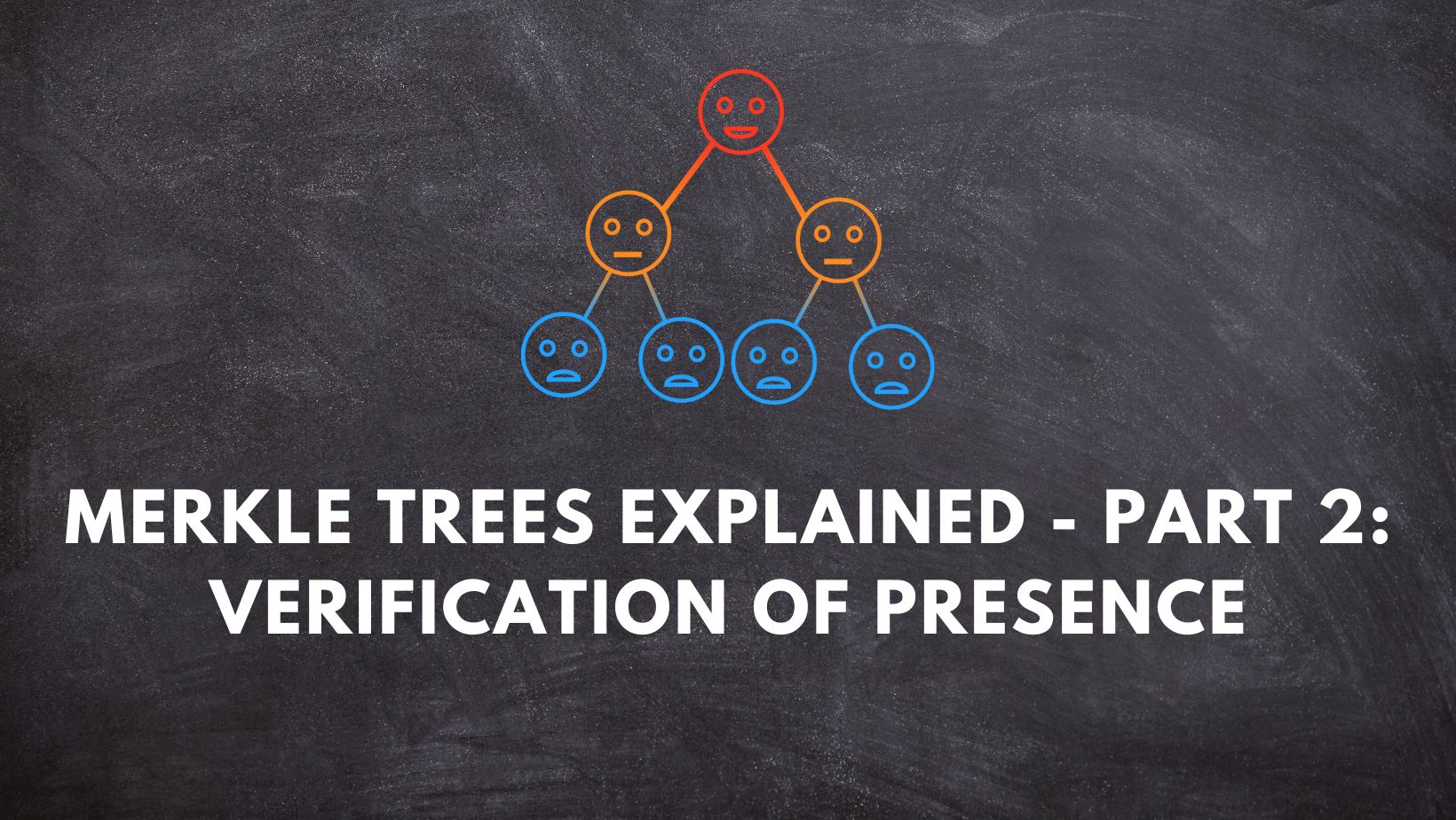
Merkle trees explained – Part 2: How verification of presence works
In part 1 of this article, we tried to understand what merkle trees are and the concept behind. We know that merkle trees help us in verifying whether a particular data point is the part of the tree ( merkle…
-
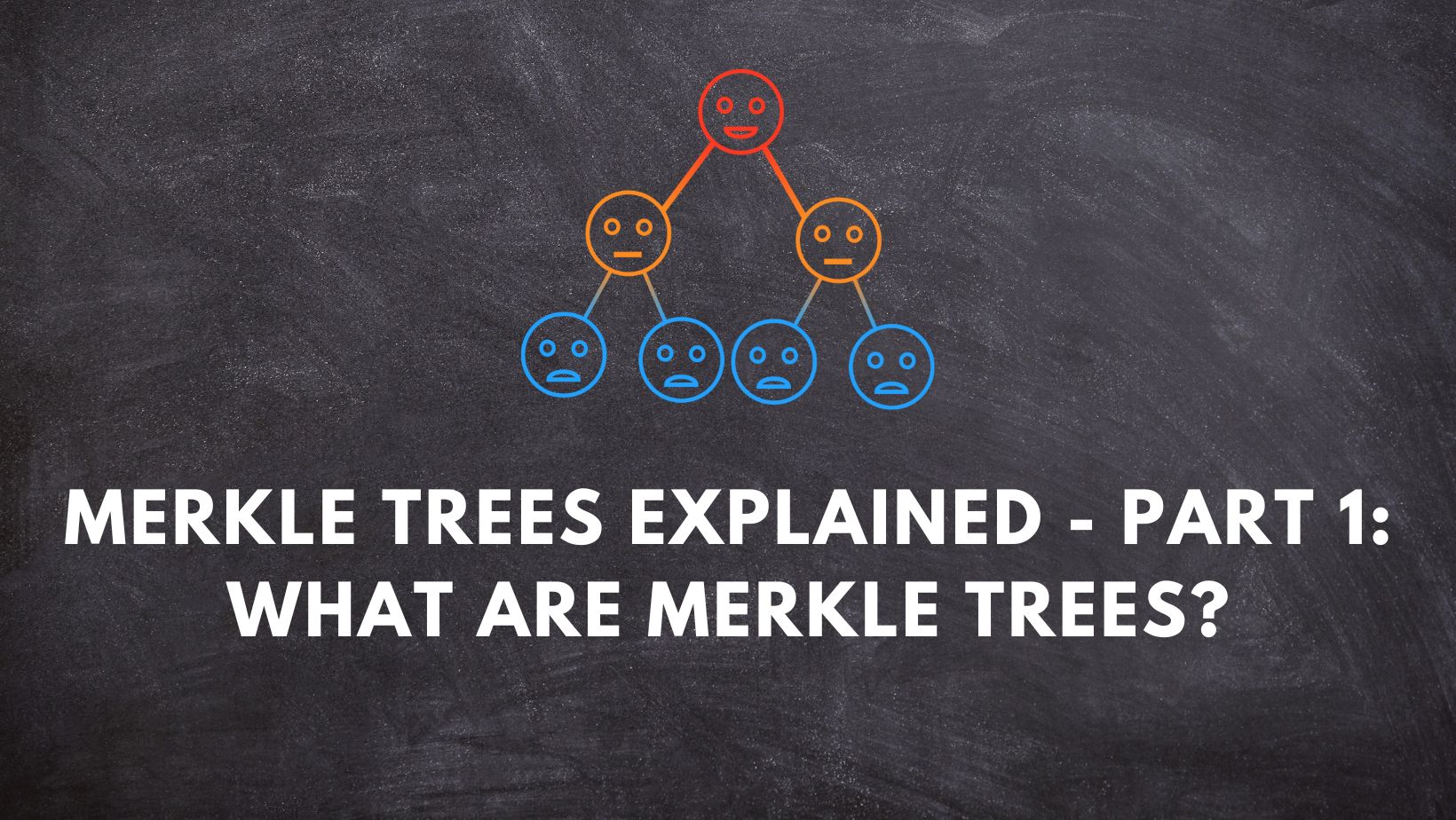
Merkle trees explained – Part 1: What are merkle trees?
If you are a dev / techie and if you have a high level understanding of blockchains, you surely have heard this buzzword: “Merkle trees”. Wikipedia says: In cryptography and computer science, a hash tree or Merkle tree is a tree…
-
Solidity tips and tricks #2: Avoid storage data mutations and operations
EVM has three types of data storage locations: Storage Memory Calldata Each data location has a different purpose and using them appropriately will save us gas and money. Keep in mind that, in some situations, Solidity strictly enforces a default…